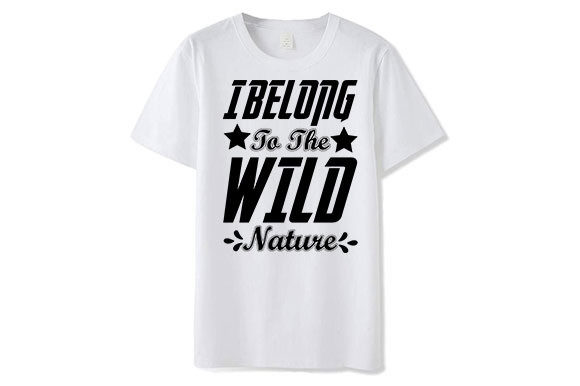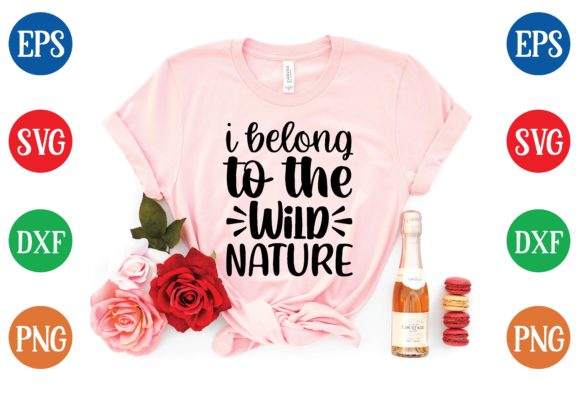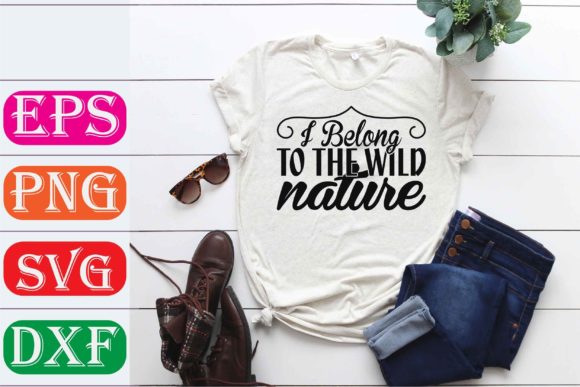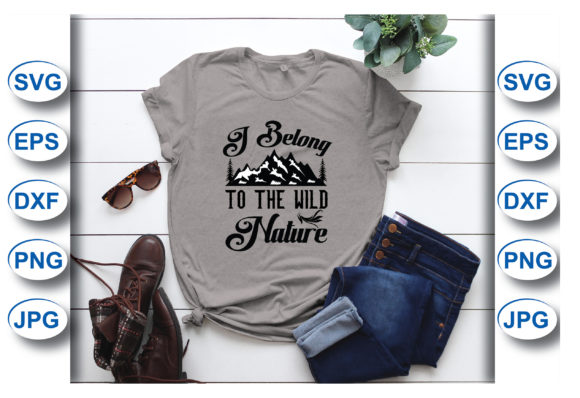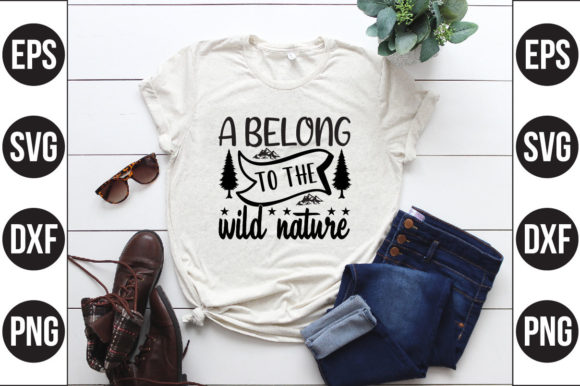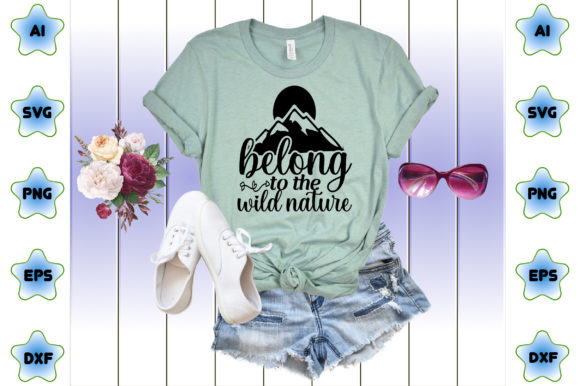
Belong to the Wild Nature Svg Hill
As an embroidery designer and product reviewer, I’ve seen countless designs come and go. But when I first opened the Belong to the Wild Nature Svg Hill file, I felt a sense of calm and connection to nature that’s rare in digital design. This isn’t just another graphic—it’s a piece of art that feels alive, with a visual personality that invites creativity and storytelling.
The First Impression: A Design That Speaks Volumes
Belong to the Wild Nature Svg Hill immediately evokes a sense of serenity. The hill is rendered with soft curves and gentle lines, suggesting a peaceful landscape. The composition is balanced, with enough detail to be visually engaging but not so intricate that it becomes overwhelming. It’s a design that feels at home on a t-shirt, but also has potential for more complex projects like embroidered patches or custom tote bags.
The theme is clear: nature, simplicity, and a longing for connection. This makes it ideal for handmade products aimed at eco-conscious buyers, outdoor enthusiasts, or anyone who appreciates minimalist aesthetics. The layout works well for both large and small formats, making it versatile for different embroidery projects.
Real-World Embroidery Performance
When I tested Belong to the Wild Nature Svg Hill on a cotton sweatshirt, the results were promising. The design stitched out cleanly, with smooth satin stitches and a good balance of fill and running stitches. It didn’t require excessive stabilizer, which is a big plus for those working with delicate fabrics.
For custom apparel, this design pairs well with light-colored garments, where the subtle details can shine. On darker fabrics, the contrast is less pronounced, but still effective if you choose the right thread colors. I recommend testing it on scrap fabric before committing to a final project.
This design also works well for baby items, such as onesies or blankets. The soft lines and nature theme make it a calming addition to a child’s wardrobe. For a personalized gift, it could be paired with a name or a short phrase to add a meaningful touch.
Where to Use It Carefully
While Belong to the Wild Nature Svg Hill is generally easy to work with, there are some situations where caution is needed. If you’re using it on a small hoop, you might need to adjust the design to fit properly. Thin or stretchy fabrics can cause distortion, so a good stabilizer is essential.
Dense stitch areas may require careful planning to avoid puckering or uneven stitching. Tiny lettering or detailed corners can be challenging, especially if the design is scaled down. For curved surfaces like caps or hats, the design may need some tweaking to ensure it sits correctly on the curve.
If you're using it for commercial embroidery, make sure to check the licensing terms before selling finished products. For digital product sellers, this design could be a great addition to a printable mockup collection, offering versatility and appeal across different platforms.
Impact on Visual Appeal and Customer Trust
Belong to the Wild Nature Svg Hill adds a level of sophistication to any project. Its clean lines and natural theme give it a timeless quality that resonates with many customers. When used on a handmade product, it elevates the overall look and feel, making the item more desirable and valuable.
Customers often look for designs that feel authentic and meaningful. This one does that by connecting them to nature and a sense of belonging. It’s a strong choice for Etsy sellers or small shop owners looking to offer something unique and emotionally resonant.
For craft businesses, this design can help build brand consistency. Whether it’s on a tote bag, a pillow cover, or a holiday gift, it maintains a cohesive aesthetic that reflects your brand’s values. It also enhances the giftability of your products, making them more appealing as personalized presents.
Practical Designer Notes
Before using Belong to the Wild Nature Svg Hill in a real project, I always recommend testing it on scrap fabric. This helps you understand how the design behaves on different materials and how the stitch density affects the outcome. You should also check thread color contrast to ensure the design stands out as intended.
Reviewing the stitch density is crucial, especially if you’re working with limited hoop space. Confirming the correct hoop size will save time and prevent frustration later. Inspecting small details is important too—sometimes subtle elements can get lost in the embroidery process.
Testing the design in black and white mockups can reveal how it looks without color, which is useful for understanding its visual impact. Comparing it on light and dark fabric backgrounds will help you decide the best way to present it. Using the right stabilizer is key, especially for delicate or stretchy fabrics.
Finally, make sure the design works for both personal and commercial use. If you’re selling finished items or digital products, double-check the licensing terms to avoid any legal issues. For embroidery designers, this is a solid choice that offers flexibility, style, and practicality.